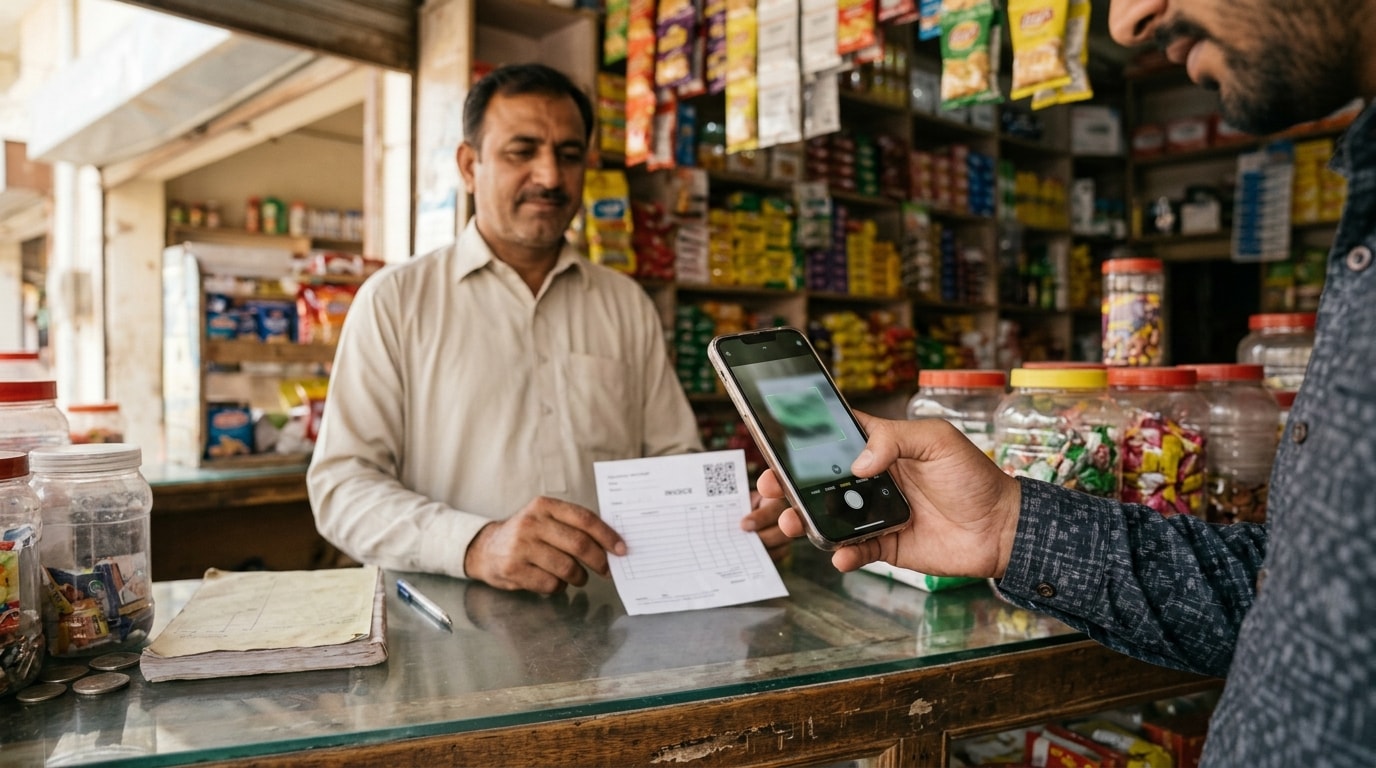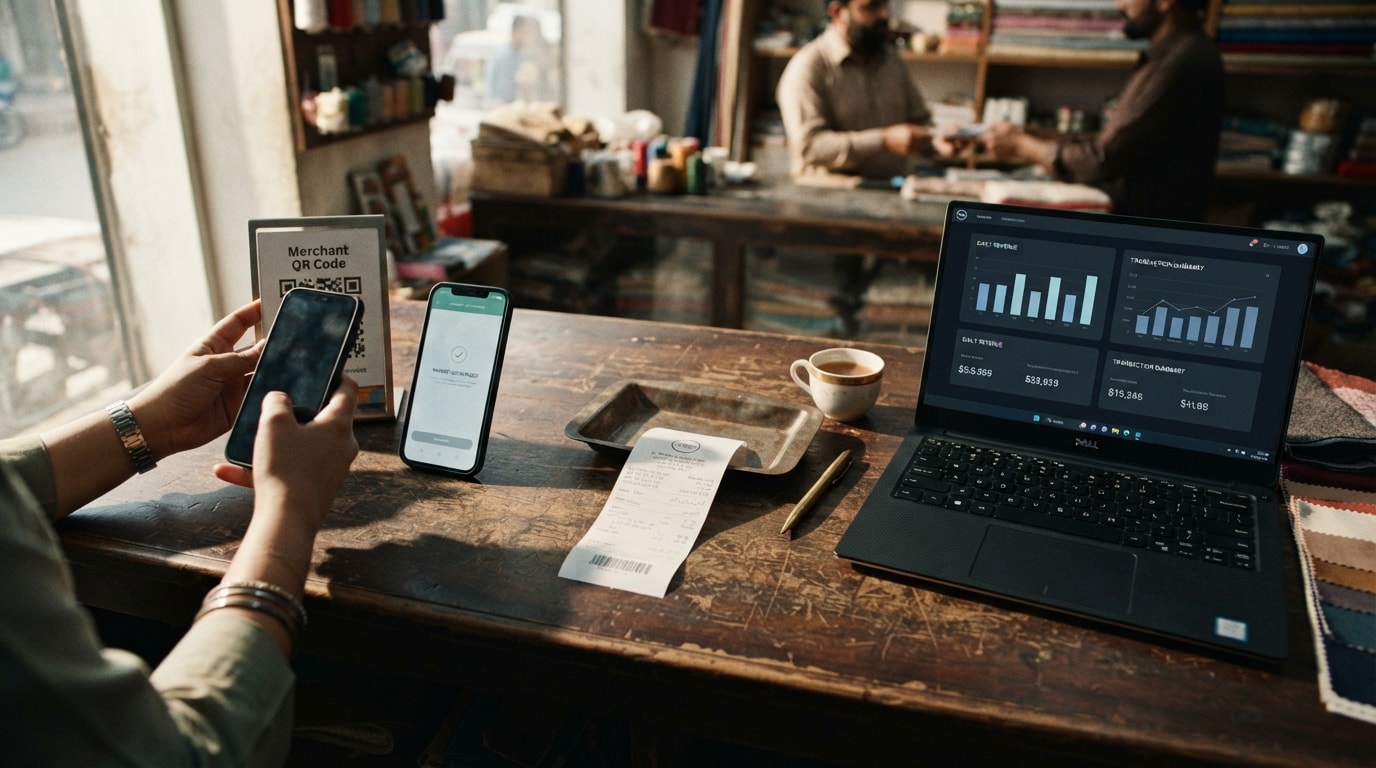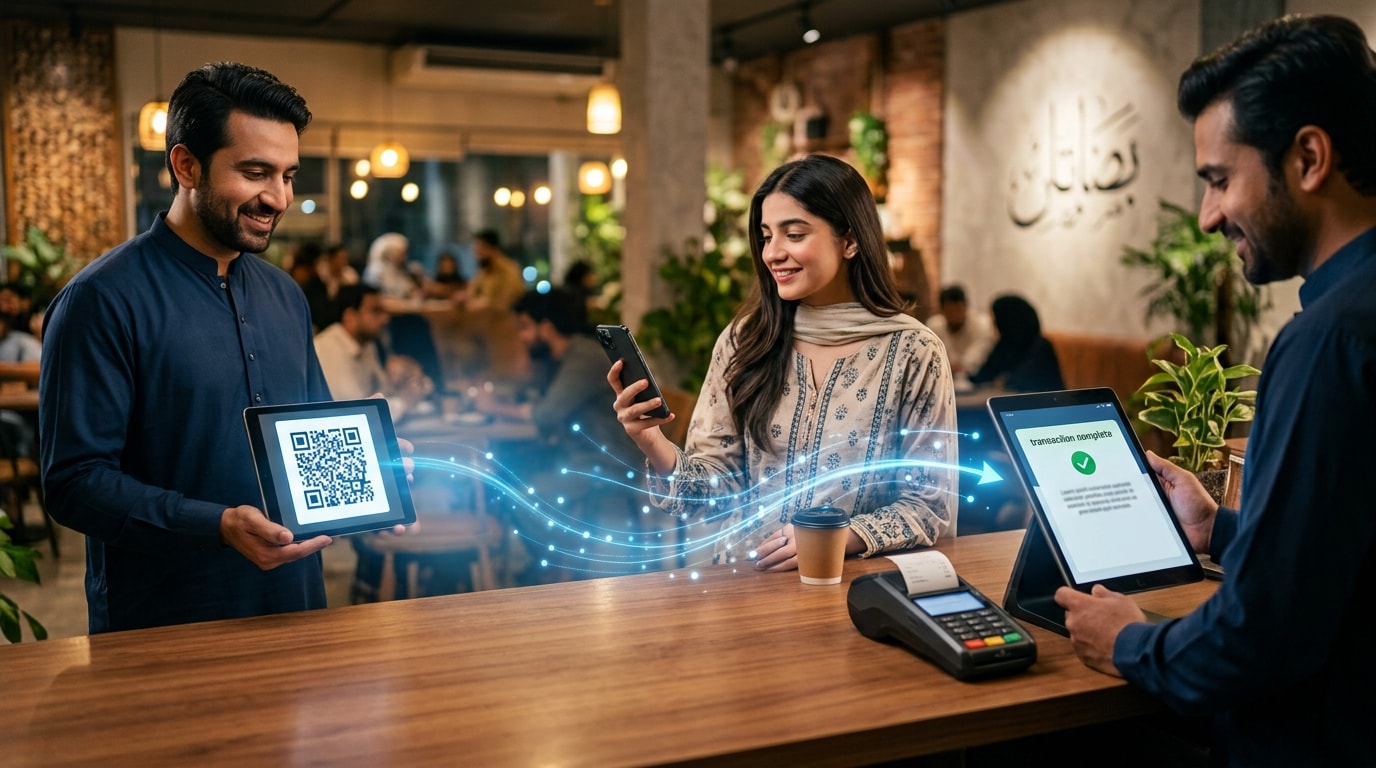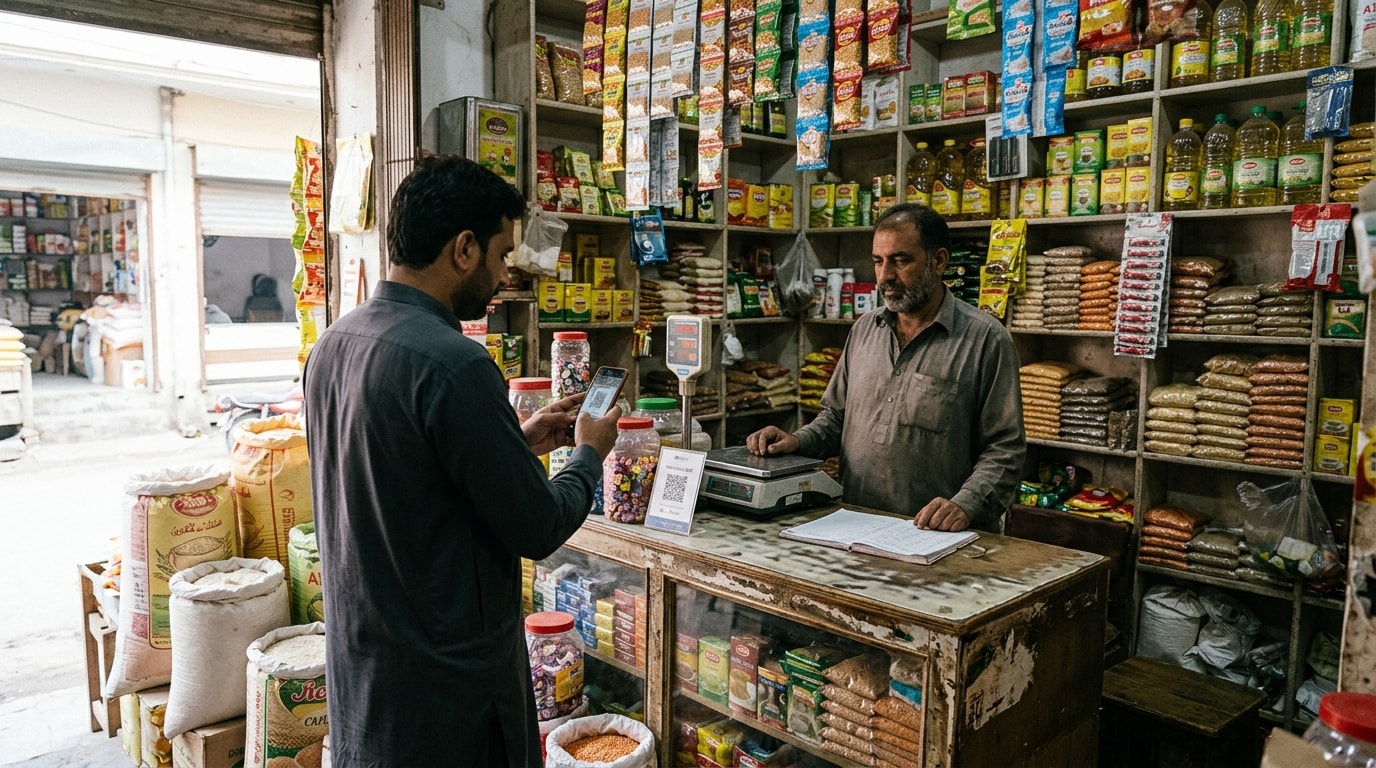
A customer arrives at a kiryana store to buy groceries but has no change. Another wants to purchase essentials on udhaar and promises to pay on Friday. A third has money in a mobile wallet and would rather pay digitally than withdraw cash.
For a neighbourhood grocery store, these everyday situations can complicate payment collection, consume valuable time, and make financial records harder to manage.
The solution is to make paying easier for customers and managing money simpler for shopkeepers.
By combining cash, QR payments, mobile wallets, bank transfers, and a reliable digital khata, kiryana stores can accommodate different payment preferences while keeping customer dues and daily collections organized.
This guide explains how kiryana stores can collect customer payments, accept QR payments in Pakistan, manage udhaar, track daily collections, and choose a suitable payment collection app. It also explores how Rupin can support digital khata, bookkeeping, and everyday business management.
Why Kiryana Store Payments Need a Better Approach
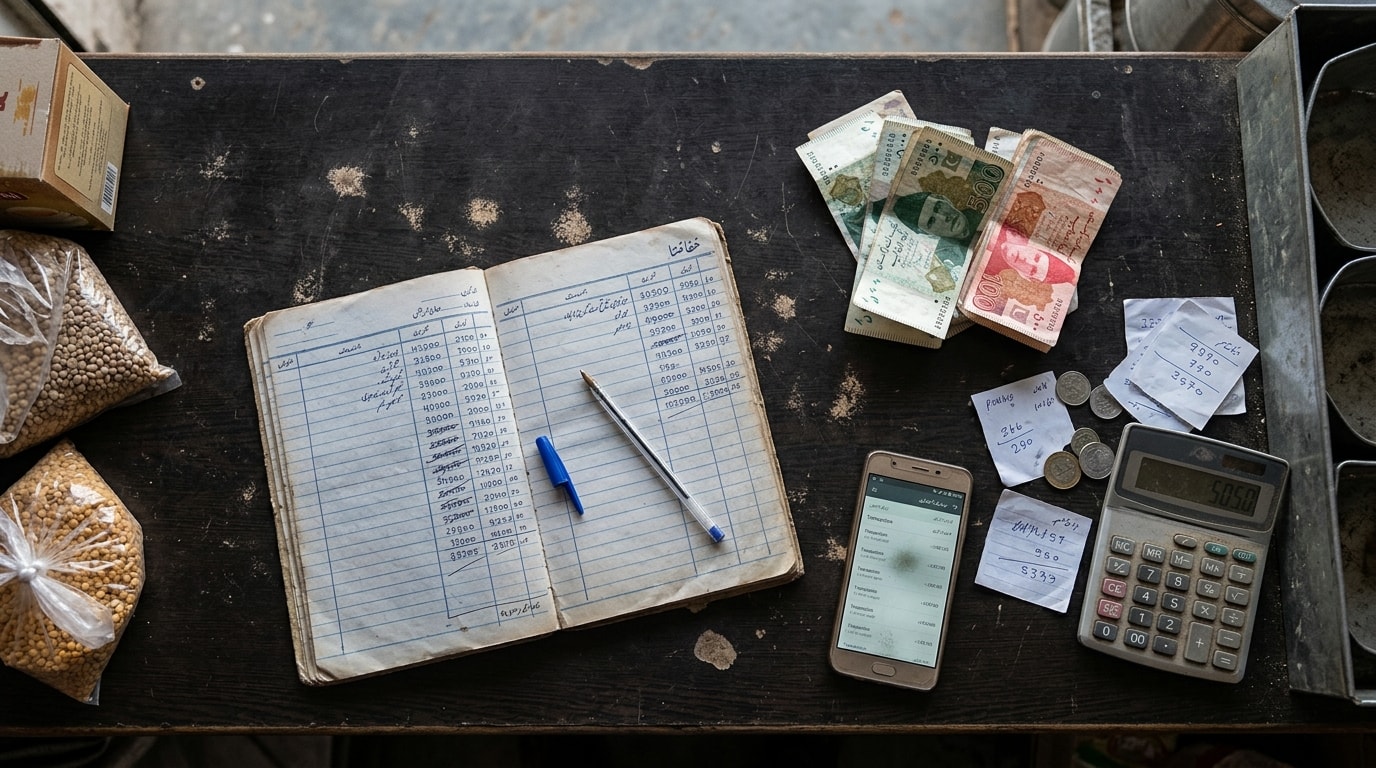
A busy kiryana store can process dozens or even hundreds of transactions daily. Each purchase contributes to the business, but making a sale is only part of the process. The shopkeeper must also collect the money, record the transaction, manage outstanding credit, and reconcile the day's accounts.
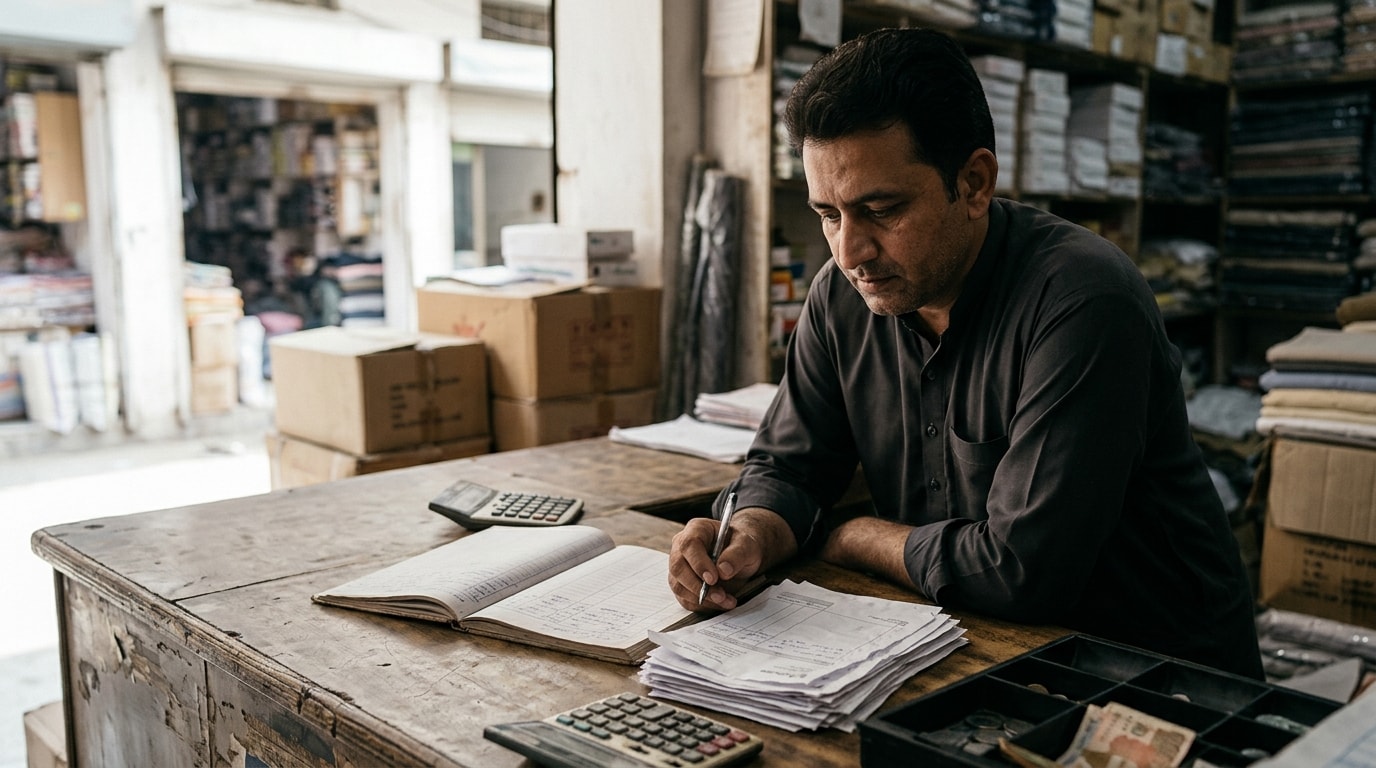
When everything depends on cash, memory, and handwritten registers, small problems can accumulate.
A shortage of change can delay checkout. An unrecorded udhaar transaction can create disagreements. An unverified digital transfer can result in goods being handed over without confirmed payment. Meanwhile, scattered records can make closing the day's accounts unnecessarily difficult.
Better payment collection is not simply about accepting more payment methods. It is about gaining greater control over the money moving through the business.
Digital payments are becoming increasingly relevant in Pakistan
Pakistan's expanding digital payment infrastructure creates opportunities for small retailers to offer customers more convenient ways to pay.
According to the State Bank of Pakistan's Quarterly Payment Systems Review for the Second Quarter of Fiscal Year 2026, mobile applications offered by banks, branchless banking providers, and electronic money institutions processed approximately 2.6 billion transactions worth Rs. 40 trillion between October and December 2025. Raast processed approximately 645.7 million transactions worth Rs. 18.5 trillion during the same period.
These figures cover different types of transactions, including transfers, bill payments, and merchant payments. They do not represent grocery purchases alone, but they demonstrate the scale of digital payment infrastructure available in Pakistan.
Source: State Bank of Pakistan, Quarterly Payment Systems Review for Q2 FY26.
For kiryana stores, the opportunity is practical. Customers who prefer digital payments can have a convenient way to pay, while those who prefer cash can continue shopping as usual.
What Payment Methods Should Kiryana Stores Accept?
The right payment mix depends on customer preferences, transaction volume, provider fees, and the services available to the business. Not every store needs every payment method.
1. Cash payments
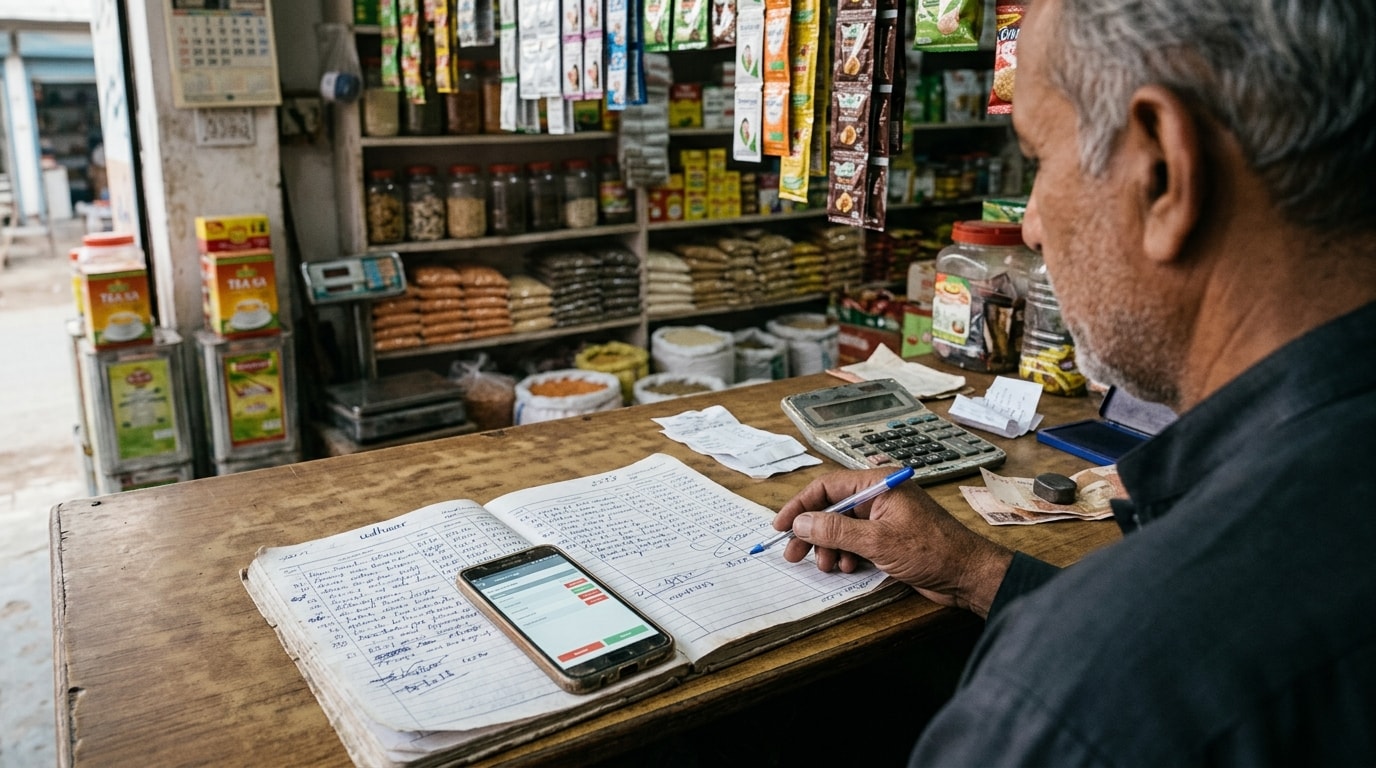
Cash remains familiar and practical for many kiryana stores. It is straightforward to accept and works for customers who do not use digital payment applications.
However, shopkeepers must manage change, count money accurately, secure cash, and account for potential counting errors or counterfeit notes.
The sensible approach is to retain cash while offering suitable alternatives when physical currency is inconvenient.
2. QR code payments and Raast QR
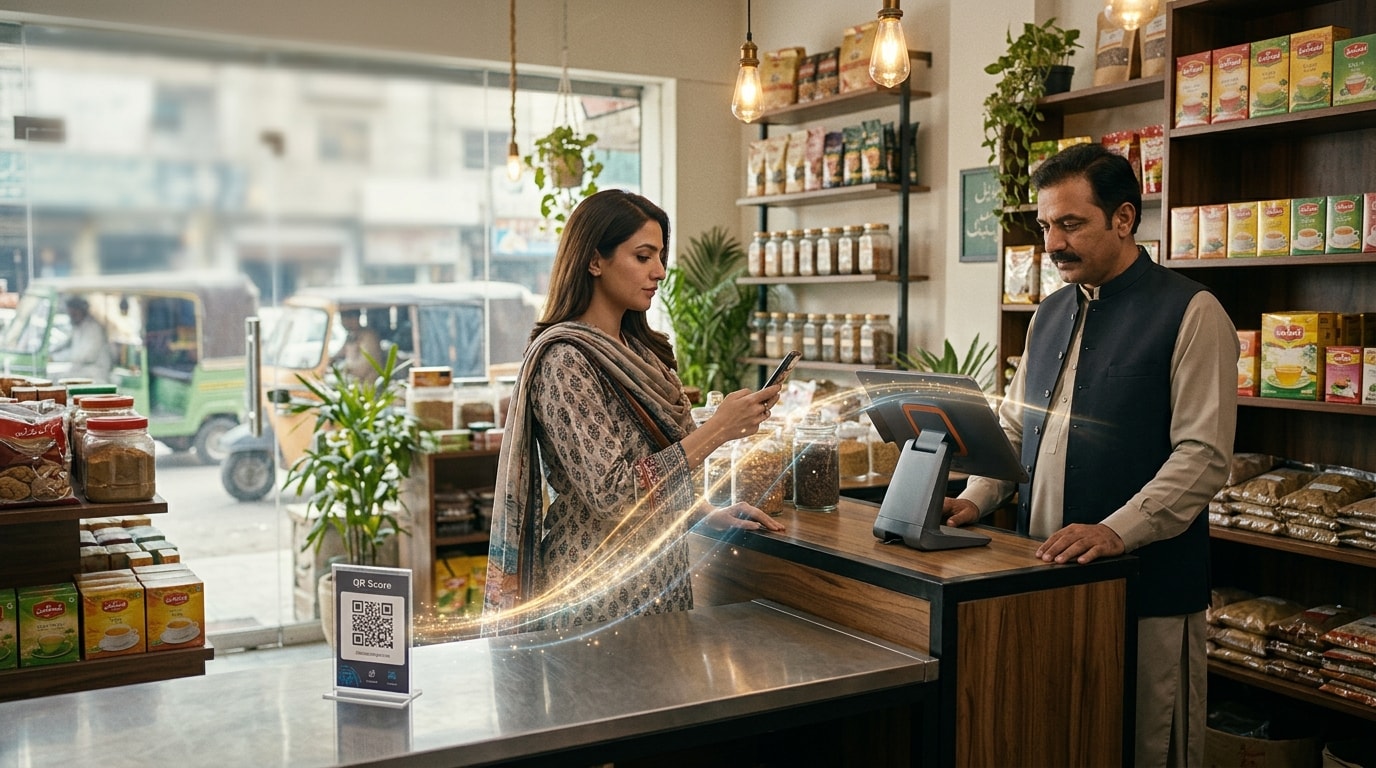
QR payments allow customers to scan a merchant code using a compatible banking or payment application and follow the instructions to complete a transaction.
For eligible merchants in Pakistan, Raast's Person to Merchant service provides another route for accepting supported digital payments through participating providers.
Before registering, confirm the merchant requirements, supported applications, applicable charges, and transaction verification process.
3. Mobile wallets and bank transfers
Customers may use services such as JazzCash, Easypaisa, or other eligible payment applications, depending on the merchant arrangements available.
Bank transfers through Interbank Funds Transfer, commonly called IBFT, and supported Raast transactions can also be useful for larger purchases and repayment of outstanding udhaar.
Fees, limits, settlement arrangements, and supported transaction types vary by provider. Shopkeepers should confirm that funds have reached the intended account before treating a payment as complete.
4. Card payments through POS
A point of sale terminal allows customers to pay using supported debit or credit cards.
POS acceptance may suit larger grocery stores or retailers with sufficient card transaction volume. Smaller shops may find a suitable merchant QR service more practical, depending on customer demand and the costs involved.
The best payment mix is the one customers will actually use, and the shopkeeper can manage efficiently.
How a Kiryana Store Can Start Accepting QR Payments
QR payments can provide a convenient digital payment option without necessarily requiring a traditional card terminal. The setup depends on the merchant service and the type of QR facility offered.
1. Choose a suitable payment provider
Compare eligible banks, wallet providers, and merchant payment services. Check supported payment methods, registration requirements, transaction limits, applicable fees, and settlement arrangements.
2. Complete merchant registration
Depending on the provider, registration may require a valid CNIC, identity verification, business information, or additional documentation. Confirm the requirements before applying.
3. Obtain a merchant QR code
There are two common types of QR codes.
A static QR code may suit a small shop seeking a simple setup. A dynamic QR code can be useful when the payment amount needs to be associated with an individual transaction. Availability depends on the provider.
4. Display the code clearly
Place the QR code near the checkout counter where customers can easily scan it. A simple instruction such as “QR se payment karein” can help customers understand that digital payments are accepted.
5. Verify every transaction
Check incoming payments through your authorized banking application, merchant dashboard, or official transaction record.
A customer-supplied screenshot is not sufficient proof that money has reached the intended account. Confirm the amount, recipient, and transaction status wherever those details are available.
6. Review transactions daily
Compare digital payment records with sales and collections at closing time. Investigate missing payments, incorrect amounts, and other discrepancies while the transactions are still easy to identify.
How to Manage Udhaar Without Losing Customers
Udhaar is an important part of neighbourhood retail in Pakistan. It allows regular customers to purchase essential items when cash is tight and can strengthen relationships within the community.
However, a sale on udhaar is not the same as money collected. When credit purchases go unrecorded or repayment dates are forgotten, outstanding balances can put pressure on the money needed to restock the store and cover expenses.
1. Set reasonable credit limits
A long-standing customer with a reliable repayment history may justify a different limit from a new customer. Set limits according to repayment history, outstanding balances, and your business's ability to carry unpaid credit.
2. Record every transaction
Record each credit purchase against the correct customer, including the date and amount. Record subsequent repayments against the same balance so the remaining dues are clear.
3. Send polite payment reminders
A respectful SMS or WhatsApp reminder can help customers remember outstanding dues without creating unnecessary embarrassment. Include the shop name, amount due, and a clear way to arrange repayment.
4. Make repayment convenient
Where supported, offer suitable options such as bank transfers or merchant QR payments. Verify each payment and update the customer's outstanding balance.
5. Protect the relationship
Repeated confrontations and public pressure can damage customer relationships. Accurate records, respectful communication, and consistent follow-up provide a more constructive way to recover outstanding payments.
The objective is to collect what the business is owed while preserving the trust that keeps regular customers coming back.
Why Kiryana Stores Can Benefit From a Digital Khata
A traditional udhaar register is familiar and inexpensive, but handwritten records can become difficult to search, maintain, and calculate as transaction volumes increase.
A digital khata brings the same familiar practice into a digital record-keeping process. It can make recorded transactions easier to access and help shopkeepers review customer balances without searching through pages of handwriting.
Actual capabilities vary by application, so confirm which functions are available before choosing a digital khata.
Keep daily hisaab organized
A suitable digital ledger or business management app can help organize sales, customer dues, received payments, and expenses. A digital cash book, where available, can also help track money received and spent.
One distinction is essential: sales, cash collections, digital receipts, and outstanding credit are not necessarily the same figure.
For example, a customer may purchase groceries today but pay later. Another customer may settle an older udhaar balance, generating a receipt that does not represent a new sale.
Recording these transactions correctly helps shopkeepers understand their collections and maintain more reliable financial records.
How to Track Daily Payments and Keep Them Secure
Payment acceptance is only part of the process. Shopkeepers must also verify transactions, record incoming money, and reconcile their accounts.
1. Maintain a payment register
A basic payment register can include the following details.
These figures are illustrative. Actual records should reflect completed transactions.
2. Reconcile sales and collections
Suppose a store records Rs. 25,000 in sales during a day. The shopkeeper must account for cash received, verified digital payments, credit sales, refunds, and other relevant adjustments.
The amount received may differ from recorded sales because some purchases remain unpaid or certain transactions involve settlement delays.
Regular reconciliation helps explain these differences and identify discrepancies.
3. Follow essential security practices
Digital payments can be useful when shopkeepers choose suitable providers and follow basic security practices.
- Verify payments through authorized transaction records.
- Never share a PIN, password, or one-time password with another person.
- Protect the phone with a screen lock and install application updates from trusted sources.
- Check recipient details before initiating transfers.
- Review transaction history and report suspicious activity through official support channels.
- Understand applicable fees, transaction limits, settlement arrangements, and dispute procedures.
In Pakistan, shopkeepers should verify the regulatory status of their chosen bank, branchless banking provider, or electronic money institution through relevant official sources.
Where appropriate, separating business and personal transactions through suitable accounts can also make collections easier to identify.
How to Choose a Payment Collection App for a Kiryana Store
A payment collection app should simplify daily operations rather than create another administrative task.
Before choosing a business wallet, merchant payment app, or bookkeeping platform, evaluate these factors.
A smaller shop may initially need convenient payment acceptance and reliable customer records. A growing retailer may also need invoicing, inventory management, stock control, and more detailed sales tracking.
Choose a solution that addresses your current requirements without unnecessary cost or complexity.
How Rupin Supports Kiryana Store Payments and Business Management
Managing customer payments, udhaar, expenses, and sales through separate notebooks and applications can make it harder to understand how the business is performing.
Rupin, formerly known as Udhaar Book, offers a broader business management platform with capabilities associated with digital khata, bookkeeping, customer credit records, invoicing, sales, expenses, and other business operations.
For kiryana store owners, the value lies in exploring tools that can help organize everyday financial tasks rather than treating every activity as a separate administrative job.
1. Organize payment-related workflows
Rupin's listed capabilities include payment-related workflows involving cash, credit, bank transfers, and QR payments. Shopkeepers should confirm the currently available payment acceptance methods, supported services, and eligibility requirements before relying on a particular workflow.
2. Manage udhaar and customer balances
Rupin's digital khata and payment reminder capabilities can help shopkeepers maintain customer records and follow up on outstanding balances.
Using supported digital records can make it easier to review dues and maintain a consistent repayment process.
3. Keep bookkeeping organized
Rupin offers bookkeeping and cash book-related capabilities that shopkeepers can evaluate for recording received payments, expenses, and other financial activity.
Accurate records still depend on entering transactions correctly and reconciling accounts regularly.
4. Explore additional business tools
Rupin's listed capabilities also include invoicing, POS, inventory management, and stock control. These tools may be relevant as a store grows and needs to manage sales, stock, and expenses more systematically.
Before adopting the platform, confirm current feature availability, payment arrangements, fees, eligibility, and any applicable regulatory requirements.
5. Take the next step towards organized shop management
You do not need to change every business process at once. Start by consistently recording customer dues, verifying payments, and organizing daily accounts.
Download the Rupin app to explore digital khata, payment-related workflows, bookkeeping, and other business management tools designed to support everyday shop management.
Choose the capabilities that fit your current needs and build a more consistent way to manage your business.
Frequently Asked Questions
1. How can a kiryana store collect customer payments?
A kiryana store can accept cash, supported QR payments, mobile wallets, bank transfers, and card payments where a suitable POS facility is available. The right combination depends on customer preferences, costs, and merchant eligibility.
2. How can a shopkeeper accept QR payments in Pakistan?
Register with a provider that supports merchant QR payments, complete the required verification, and display the issued QR code at the counter. Verify completed transactions through an authorized payment record.
3. What is Raast QR payment for merchants?
Raast QR payments allow eligible merchants to receive supported digital payments through Pakistan's Raast payment infrastructure and participating providers. Registration requirements, supported applications, and applicable terms depend on the provider.
4. Is Raast free for merchants?
Charges depend on the applicable payment type, merchant arrangement, and provider terms. Shopkeepers should confirm the current fee structure rather than assume every transaction is free.
5. Can a kiryana shop accept digital payments without a POS machine?
Yes. A suitable merchant QR code or supported digital payment service can allow a store to accept electronic payments without a traditional card terminal. Provider requirements and transaction verification still apply.
6. How can shopkeepers recover udhaar from customers?
Set reasonable credit limits, record transactions accurately, send respectful reminders, and offer convenient repayment options. A digital khata can help maintain customer balances and track repayments.
7. Why should a kiryana store use a digital khata?
A digital khata can make customer records easier to organize, help review outstanding balances, and reduce dependence on handwritten calculations. Features such as automatic totals and payment reminders depend on the application.
8. How can a shopkeeper track daily customer payments?
Record sales and received payments, verify digital transactions, and reconcile collections with business records at closing. Account separately for cash receipts, digital payments, credit sales, refunds, and settlement differences.
9. Are digital payments safe for small grocery stores?
Digital payments can be used safely when shopkeepers choose suitable providers, verify transactions, protect account credentials, and understand dispute procedures. Never share PINs or one-time passwords.
10. Which app is suitable for kiryana store accounting and payment management?
A suitable app should support the store's required payment workflows and financial records. Relevant capabilities may include digital khata, bookkeeping, payment tracking, invoicing, and inventory management. Shopkeepers can evaluate Rupin against these needs based on its currently available features.
11. Can a QR code manage all shop payments?
No. A QR code can help accept eligible digital payments, but it does not automatically manage cash collections, customer credit, expenses, or all business records. Effective payment management also requires bookkeeping and regular reconciliation.
12. What is the difference between kiryana, karyana, and kirana stores?
These terms refer to neighbourhood grocery or general stores, although spelling and usage vary by region. Kiryana and karyana are common in Pakistan, while kirana is more commonly used in India.
Final Thoughts
Kiryana store payments involve more than accepting money at the counter. Shopkeepers must verify transactions, manage customer credit, maintain accurate records, and understand how much money the business has actually collected.
Cash, QR payments, mobile wallets, and bank transfers can serve different customer preferences. A reliable digital khata and consistent reconciliation process can then help keep customer balances and daily hisaab organized.
Rupin gives kiryana store owners a platform to explore digital khata, payment-related workflows, bookkeeping, and other business management tools.
Download Rupin to explore a more organized approach to customer payments, outstanding dues, and everyday shop management.