Verified by NADRA
NADRA identity verification helps protect your account and keep Rupin secure for everyone.

October 13, 2026
.Blog
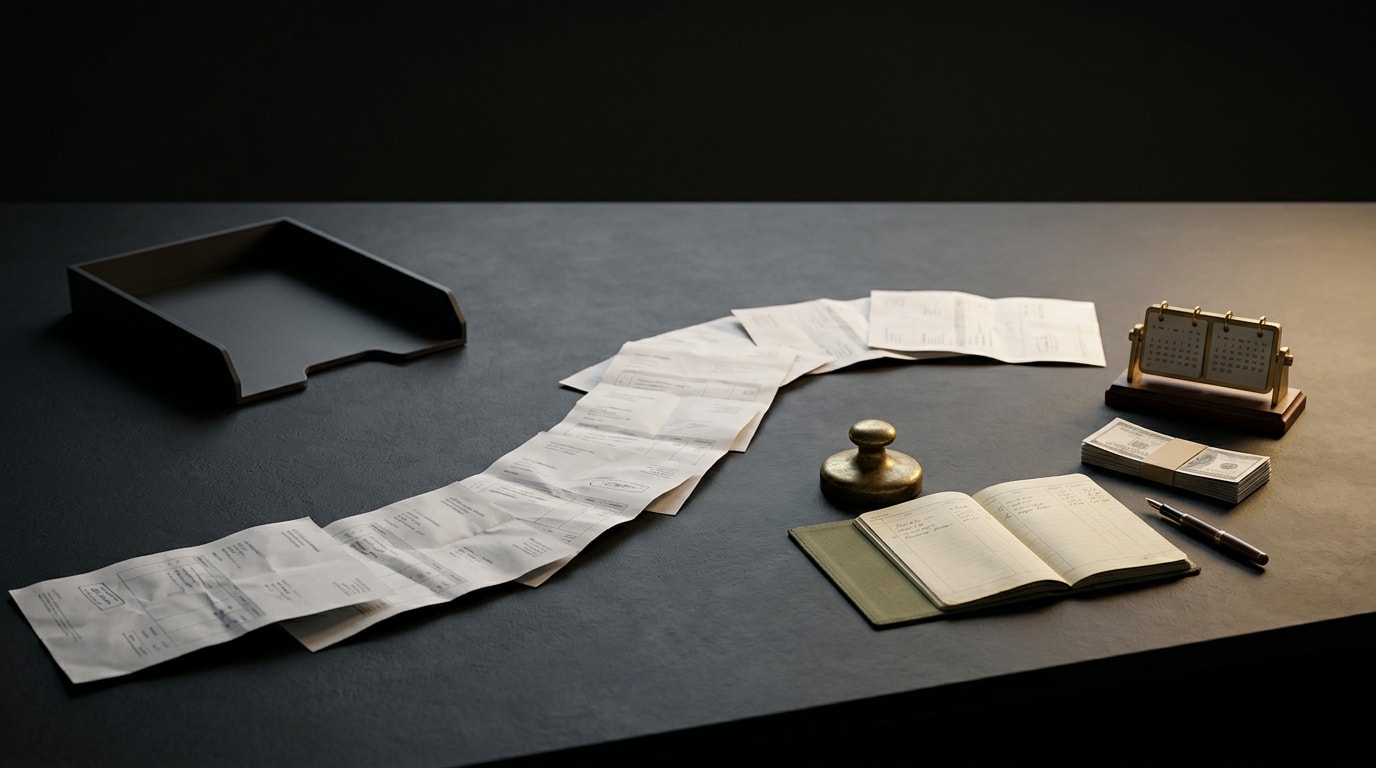
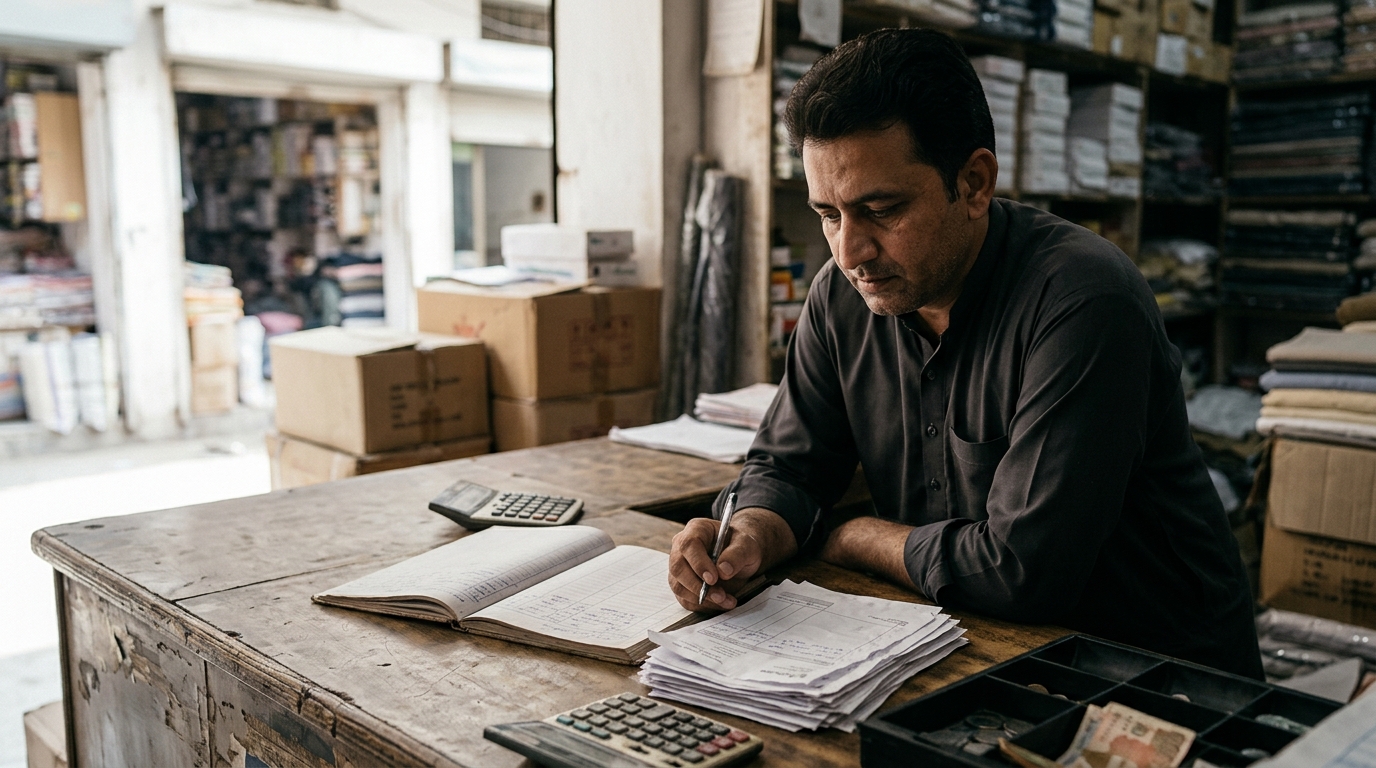
An unpaid invoice is money your business has earned but cannot yet use. You have delivered the products, completed the work, or provided the service, yet the payment you need for inventory, supplier bills, and operating expenses is still outstanding.
A well-timed payment reminder can help bring that money closer to your business. It puts the outstanding balance back on the customer's radar, clarifies what is owed, and makes the next step easy without turning a routine request into an uncomfortable conversation.
But effective payment collection takes more than sending occasional messages. You need to know when to send a reminder, what to say, which communication channel to use, and how to handle customers who continue to delay payment.
For businesses in Pakistan, where transactions may involve cash, credit, bank transfers, and digital payments, a consistent collection process can make everyday financial management more organized.
Digital tools such as Rupin can help businesses manage customer dues, send payment reminders, create invoices, and accept supported digital payments within a broader business management workflow.
This guide covers practical payment reminder strategies, ready-to-use message templates, ways to reduce overdue payments, and how businesses can make collection more efficient.
A payment reminder is a message sent to a customer, client, or business partner to notify them that a payment is approaching its due date, is due today, or remains unpaid after the agreed deadline.
An effective reminder identifies the invoice or transaction, outstanding amount, payment due date, and instructions for completing the payment.
The objective is simple: make it easier for customers to pay on time without creating unnecessary friction.
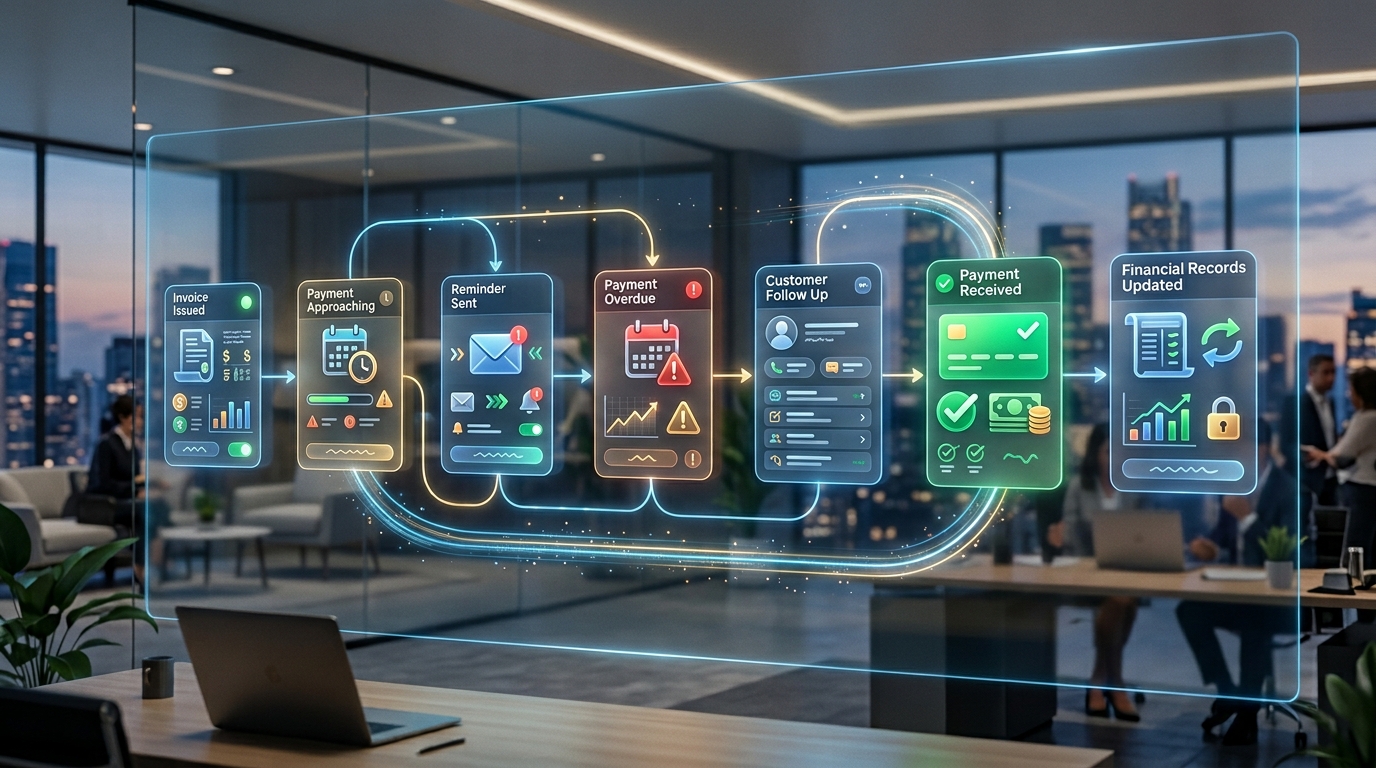
Payment reminders generally fall into four categories.
A consistent reminder process helps businesses maintain clearer financial records, identify unpaid invoices, and manage incoming payments more predictably.
Making a sale is one thing. Getting paid on time is what keeps your business moving.
Outstanding payments can affect everyday operations even when sales are strong. Businesses may struggle to replenish inventory, pay suppliers, cover rent, or manage payroll while waiting for customers to settle their dues.
A structured payment reminder process helps address this gap in several ways.
Every unpaid invoice represents money the business expects to receive but cannot yet use. Timely reminders help bring outstanding balances to customers' attention and reduce avoidable delays.
Accounts receivable refers to money customers owe for products or services already provided. Organized records and regular reminders help businesses identify overdue balances and prioritize the payments requiring attention.
Customers may overlook invoices, forget deadlines, or wait for internal approval. A clear reminder makes the outstanding obligation visible and explains what the customer needs to do next.
Professional reminders establish clear expectations without unnecessary confrontation. A friendly message before the due date is often easier to manage than an angry request after weeks of silence.
When payment details are scattered across notebooks, spreadsheets, invoices, and messaging apps, tracking every outstanding balance becomes time-consuming. An organized payment management system can reduce repetitive work and help prevent missed or duplicated reminders.
The best time to follow up is before a small delay becomes a collection problem. A consistent schedule helps businesses remain professional while becoming more direct when payments remain outstanding.
First, make sure every invoice clearly states the payment due date, outstanding amount, accepted payment methods, agreed payment terms, and any applicable charges.
Then establish a practical reminder schedule.
These timings are guidelines rather than universal deadlines. Adjust them according to the agreement, transaction value, customer history, and applicable requirements.
Gradual escalation is important. A customer who misses a deadline by one day may need only a friendly reminder, while repeated delays may require a direct conversation and a specific payment deadline.
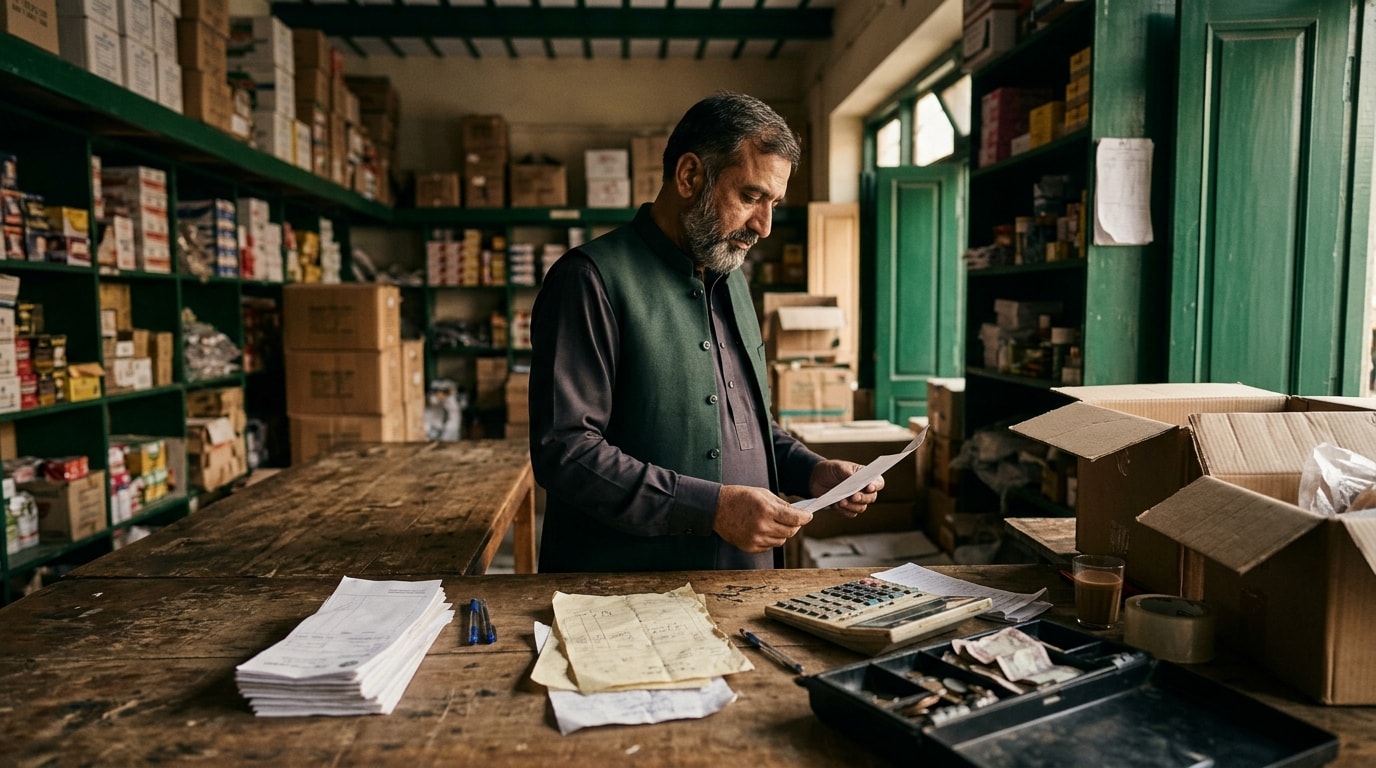
The right follow-up method depends on the amount outstanding, the length of the delay, the customer's communication preferences, and the history of previous payments.
Preventive communication gives customers time to arrange funds, complete approvals, and raise questions before the deadline. It works particularly well for recurring invoices, monthly services, and credit sales.
Email is useful for corporate clients and transactions requiring written records. Include the invoice, amount due, payment terms, and instructions for completing the payment. Use a subject line that accurately reflects the payment status.
WhatsApp and SMS can be practical for customers who already use these channels for business communication. Keep messages concise, identify the relevant transaction, and provide appropriate payment instructions.
For businesses in Pakistan, WhatsApp can be particularly useful for everyday customer communication. Avoid sharing sensitive financial information with unverified recipients or in group conversations.
A customer may be ready to pay but still needs to request bank details, search for an invoice, or contact your business for instructions.
Depending on the available payment services, providing clear bank transfer instructions, a payment link, or a QR payment option can reduce unnecessary steps.
A phone call can help establish why a payment remains outstanding. The customer may be waiting for approval, disputing an invoice, experiencing temporary cash flow difficulties, or reporting a payment that has not been matched to the correct record.
Confirm the outstanding amount, agree on the next action, and document any promised payment date.
If repeated reminders fail, send a firmer request stating the outstanding amount, original due date, previous contact attempts, and requested payment deadline.
Formal recovery should be proportionate to the circumstances and consistent with the agreement and applicable law.
The best approach is to use the channel the customer reliably checks, then follow up consistently until the payment is resolved.
An effective payment reminder is concise, specific, professional, and easy to act on.
Every reminder should answer five questions:
For example, saying that a payment is overdue provides little context. Stating that PKR 12,500 for invoice INV 104 was due on 10 October gives the customer enough information to identify the transaction.
Use clear subject lines such as:
Keep the tone appropriate to the situation. Initial reminders should generally assume the delay may be unintentional. Later messages can become more direct without becoming confrontational.
Before sending another reminder, verify the latest payment status. Accurate records prevent duplicate requests and help maintain customer trust.
The following payment reminder templates are suitable for clients, retailers, wholesalers, freelancers, and service providers. Replace the details in square brackets before sending.
Subject: Friendly reminder: Invoice [Number] due on [Date]
Hi [Customer Name],
Hope you are doing well. This is a friendly reminder that invoice [Number] for PKR [Amount] is due on [Date].
I have attached the invoice for your reference. Please let us know if you need any additional information to complete the payment.
Thank you for your business.
Best regards,
[Name]
[Business Name]
Subject: Invoice [Number] is due today
Hi [Customer Name],
Just a quick reminder that payment of PKR [Amount] for invoice [Number] is due today, [Date].
Please arrange payment using [Payment Method or Details]. Let us know if you have any questions or need the invoice again.
Thank you.
Best regards,
[Business Name]
Subject: Payment reminder: Invoice [Number] is overdue
Hi [Customer Name],
Our records show that payment of PKR [Amount] for invoice [Number], due on [Date], remains outstanding.
It may simply have been overlooked. Could you please confirm when we can expect payment?
I have attached the invoice again for convenience. If payment has already been made, please share the transaction reference so we can update our records.
Thank you for your cooperation.
Best regards,
[Name]
Subject: Payment follow-up for invoice [Number]
Dear [Customer Name],
This is a reminder that invoice [Number], for PKR [Amount], was due on [Date] and remains unpaid according to our records.
Please arrange payment using the details provided in the invoice. If there is an issue with the invoice or payment process, please let us know so we can resolve it promptly.
If payment has already been completed, kindly share the transaction reference for verification.
Thank you for your attention and continued business.
Kind regards,
[Name]
[Business Name]
Subject: Action required: Outstanding invoice [Number]
Hello [Customer Name],
Our records show that PKR [Amount] remains outstanding for invoice [Number], originally due on [Date]. Previous reminders have not yet resulted in payment.
Please arrange settlement by [Requested Date] or contact us to confirm a payment arrangement.
If payment has already been made, please share the transaction reference so we can verify and update our records.
Thank you for your prompt attention.
Kind regards,
[Business Name]
Subject: Final payment reminder for invoice [Number]
Dear [Customer Name],
Despite our previous reminders, the outstanding balance of PKR [Amount] for invoice [Number], due on [Date], remains unpaid according to our records.
Please arrange payment by [Requested Date] or contact us before that date to discuss the matter.
If payment has already been completed or the amount is disputed, please share the relevant details so we can review the situation.
If the balance remains unresolved, we may need to consider the next steps available under our agreement and applicable law.
We would prefer to resolve this matter promptly and professionally.
Kind regards,
[Name]
[Business Name]
Reminder: PKR [Amount] for invoice [Number] is due on [Date]. Please arrange payment using your usual payment method. Contact [Business Name] if you need the payment details again. Thank you.
Hi [Customer Name], hope you are doing well. Just a gentle reminder that payment of PKR [Amount] for invoice [Number] is due on [Date].
You can complete the payment using [Payment Details or Link]. Please let us know if you need any help.
Thank you.
Hi [Customer Name],
I am following up on the payment of PKR [Amount] that was scheduled for [Agreed Date]. Our records show that it remains outstanding.
Could you please confirm when the payment will be completed? If there has been a change in circumstances, please let us know so we can discuss the next steps.
Thank you.
For customers who prefer Urdu, a short and respectful message can make the request easier to understand.
السلام علیکم [نام]، امید ہے آپ خیریت سے ہوں گے۔ یہ یاد دہانی ہے کہ انوائس نمبر [نمبر] کی رقم [رقم] روپے [تاریخ] کو واجب الادا تھی اور ہمارے ریکارڈ کے مطابق ابھی باقی ہے۔ براہ کرم ادائیگی کی متوقع تاریخ بتا دیں۔ اگر ادائیگی ہو چکی ہے تو تفصیلات شیئر کر دیں تاکہ ریکارڈ اپ ڈیٹ کیا جا سکے۔ شکریہ۔
An unanswered reminder does not necessarily mean a customer refuses to pay. Before escalating, verify the invoice, payment terms, transaction records, and previous communication.
Then contact the customer directly to understand the reason for the delay. If the invoice is disputed, resolve the underlying issue. If the customer needs more time, consider a revised payment date or installment arrangement where appropriate.
Document any revised agreement so both parties understand the amount, timing, and conditions.
If the same customer repeatedly misses payment deadlines, review the credit terms, deposit requirements, and advance payment policies for future transactions.
For substantial balances that remain unresolved, consider the options available under the agreement and applicable law.
Late payments should be handled firmly but professionally. If a customer has a genuine problem, a documented payment arrangement may help resolve the balance while preserving the relationship.
Late payment charges should only be applied when there is a valid basis under the agreed terms and applicable requirements.
Manual reminders can work well for businesses with a small number of invoices. As customer and transaction volumes increase, keeping track of every due date becomes more difficult.
Automated payment reminders can help businesses maintain a consistent schedule without preparing every message individually, where supported by the software.
Automation is particularly useful for recurring invoices and larger customer lists. However, it depends on accurate records. Customers who have already paid, disputed an invoice, or agreed to a revised payment date should not continue receiving inappropriate reminders.
Payment reminders work best when supported by a reliable payment process.
The objective is to make payment collection a routine business process rather than a last-minute response to cash flow pressure.
You should not have to search through notebooks, messages, and separate records just to find out who owes your business money.
An organized collection process needs clear customer records, reliable invoices, timely reminders, and convenient payment options.
Rupin brings payment collection, digital khata, invoicing, bookkeeping, and other business management capabilities together in one app.
Rupin's digital khata helps businesses maintain customer credit records and outstanding balances. Organized records make it easier to review customer dues and identify which payments need attention.
Rupin supports WhatsApp and SMS reminders for outstanding customer payments. This helps businesses follow up more consistently without depending entirely on memory and manual tracking.
Rupin provides invoice creation and sharing capabilities, helping businesses communicate billing information clearly and maintain organized transaction records.
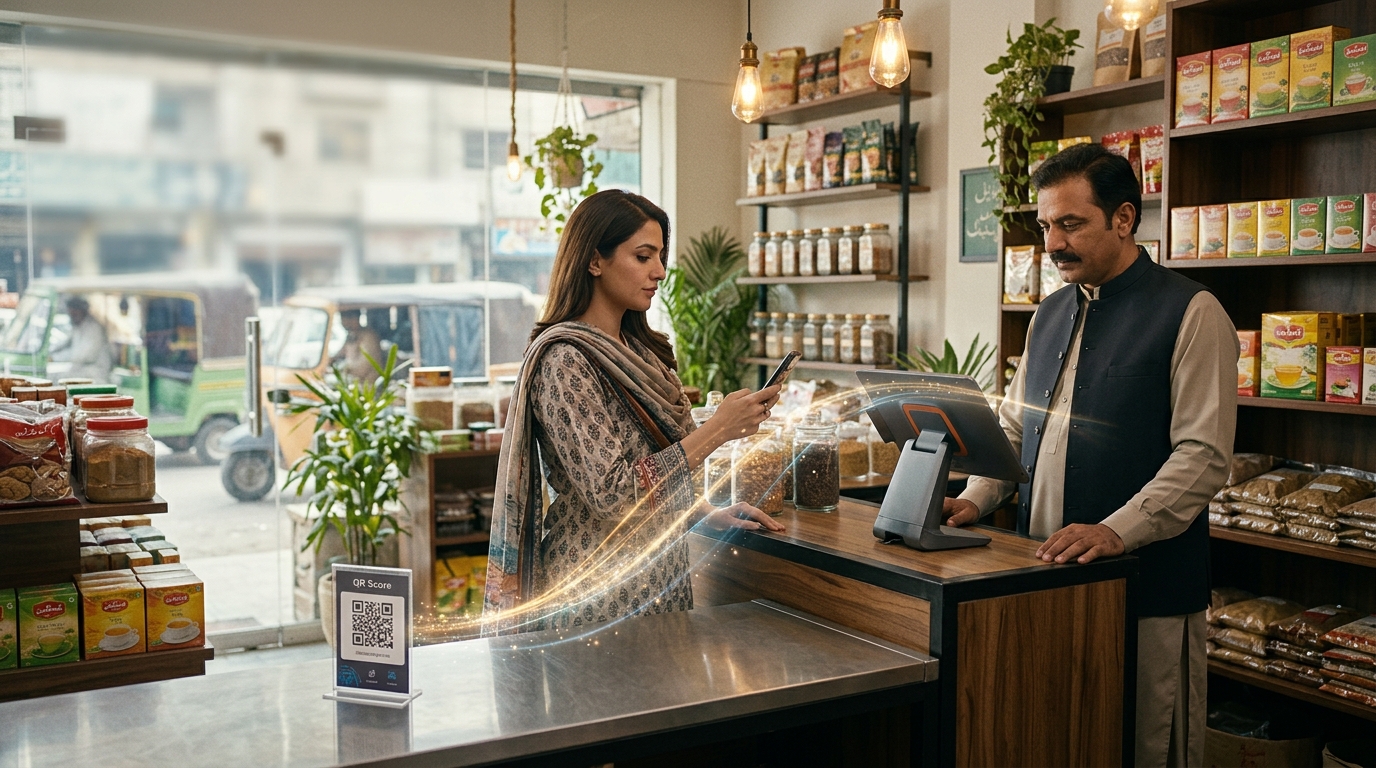
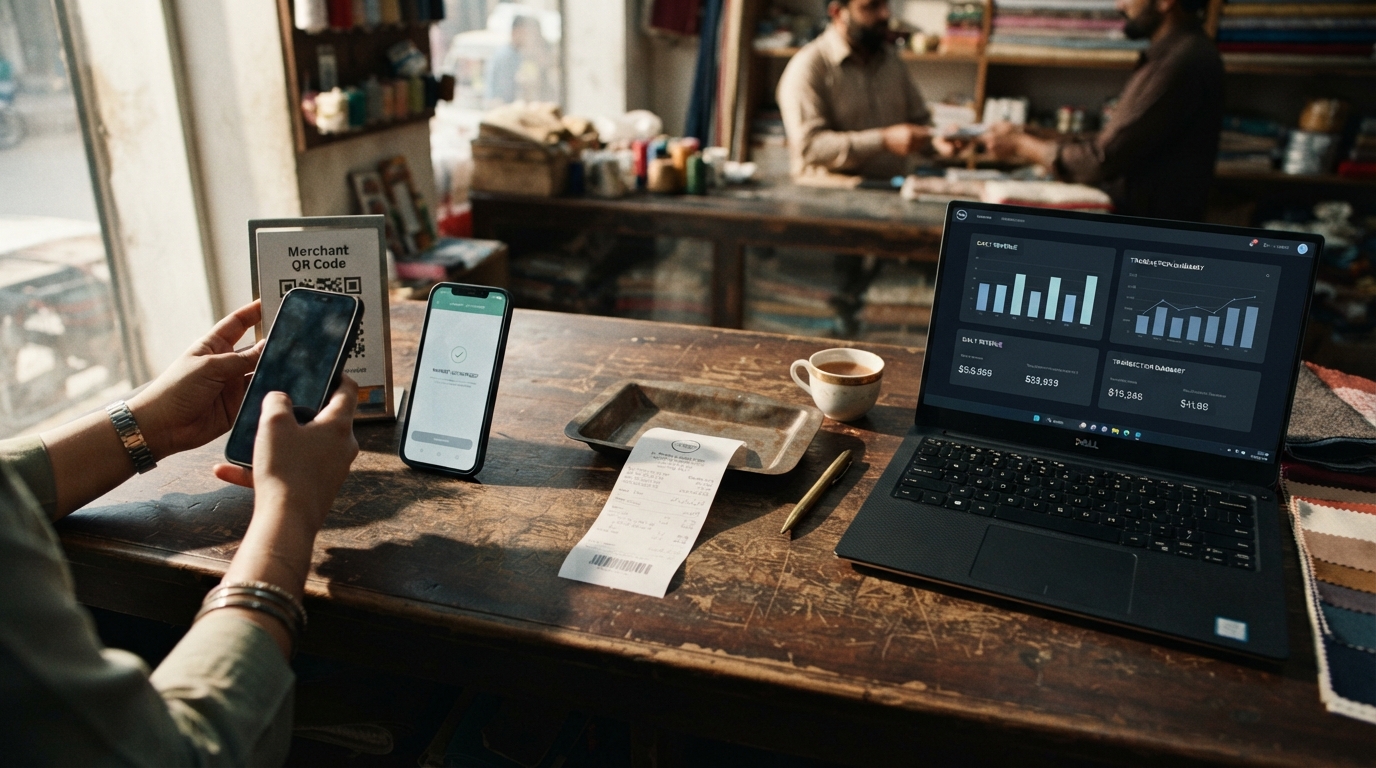
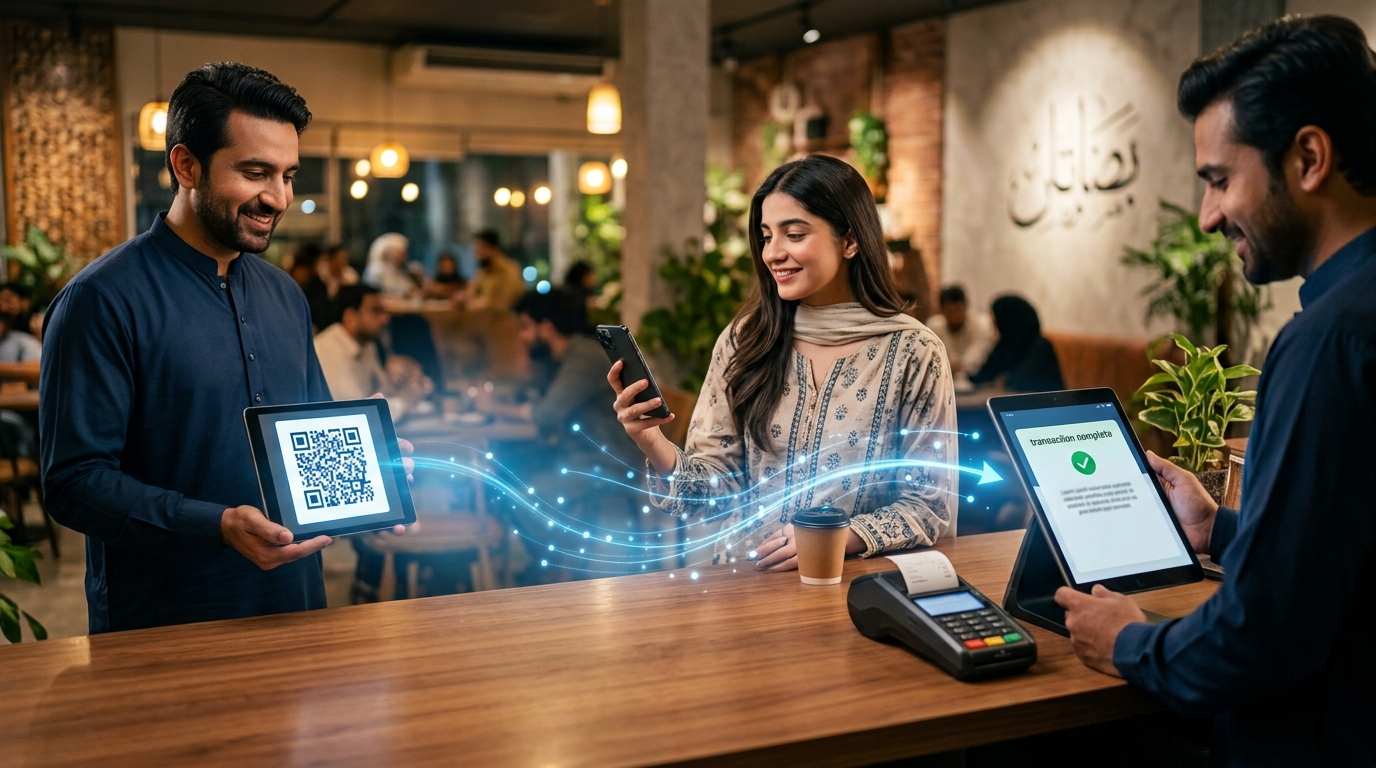
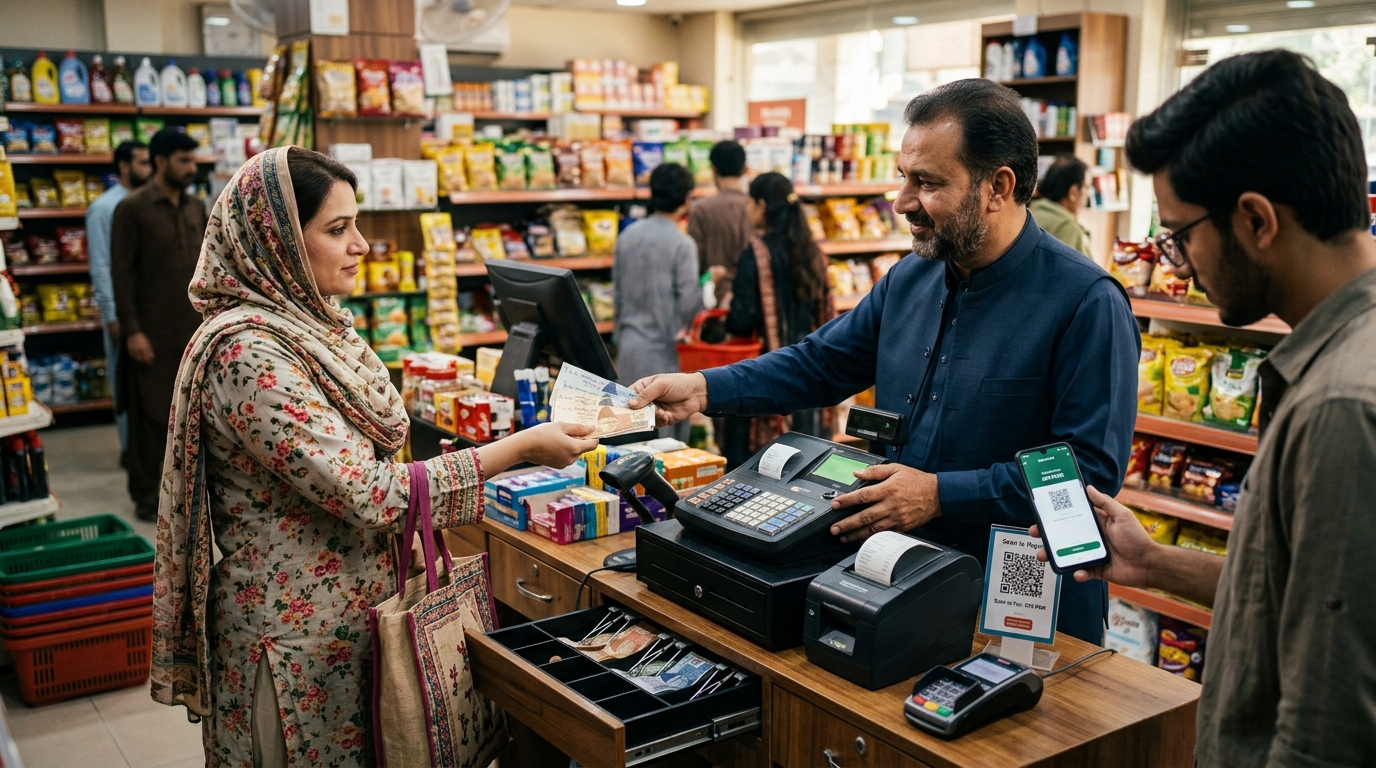
Rupin supports digital payment acceptance through QR codes and supported payment channels. These options can help businesses accommodate customers who prefer electronic transactions over cash.
Rupin also supports bookkeeping, expense tracking, receivables, payables, inventory, and other business management functions. These capabilities help business owners maintain a clearer view of money collected, spent, and owed.
The value is not simply sending reminders faster. It is managing customer dues, invoicing, payment acceptance, and business records within a more organized workflow.
Every outstanding invoice represents money your business is still waiting to receive. A consistent collection process can help you manage those balances with greater control and spend less time tracking payments manually.
Use Rupin to manage customer dues, send payment reminders, create invoices, and accept supported digital payments.
Visit Rupin's official website or get the app from the Google Play Store.
The best payment reminder message is polite, concise, and specific. Identify the invoice, outstanding amount, and due date, then explain how the customer can pay or respond. Use a friendly tone initially and more direct wording when payment becomes overdue.
A business can send its first reminder three to five days before the due date. If payment remains outstanding, further reminders can follow according to the agreed terms, amount due, and customer history.
Yes. WhatsApp can be useful for quick payment follow-ups when customers already use it for business communication. Include the relevant payment details, maintain a professional tone, and protect sensitive information.
Yes. Suitable software can send reminders according to configured schedules or payment statuses. Rupin supports WhatsApp and SMS reminders for outstanding payments, helping businesses reduce repetitive manual follow-ups.
Verify the outstanding balance, contact the customer directly, and identify the reason for the delay. Document any revised payment arrangement. If the balance remains unresolved, consider the remedies available under the agreement and applicable law.
Businesses can reduce overdue payments by establishing clear terms, issuing invoices promptly, sending timely reminders, offering convenient payment methods, and maintaining accurate customer records. Regular reviews of outstanding balances also help identify delays early.
Late payment fees should only be charged when there is a valid basis under the agreed terms and applicable requirements. Communicate applicable charges clearly in advance and avoid introducing unexpected fees after an invoice becomes overdue.
Small businesses in Pakistan can improve collections by maintaining digital customer records, sending timely reminders, offering suitable digital payment methods, and regularly reviewing outstanding balances. Rupin helps businesses manage customer dues, send reminders, create invoices, and organize payment records within one app.
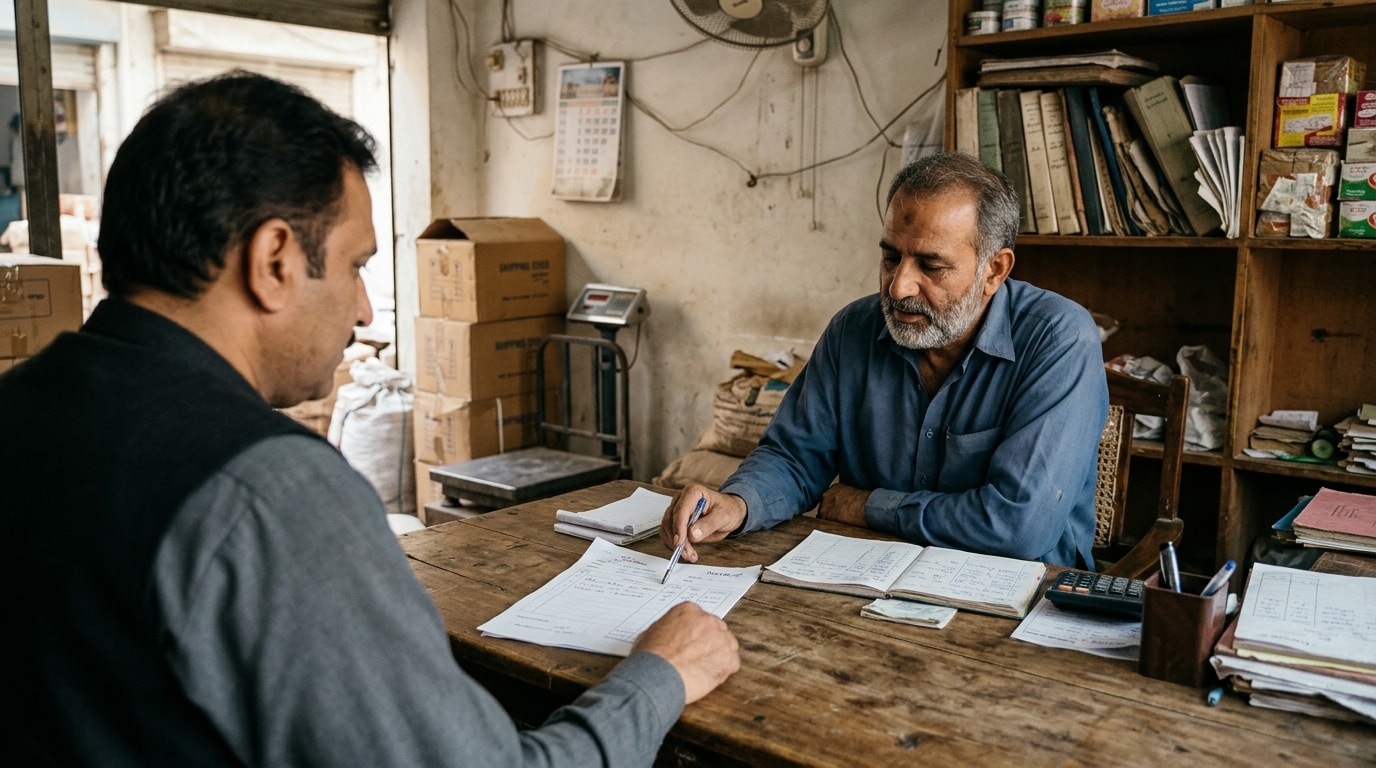
Getting paid on time starts with a better payment collection process.
Clear payment terms, accurate invoices, consistent reminders, organized records, and convenient payment methods help businesses manage outstanding balances while maintaining professional customer relationships.
For businesses in Pakistan, Rupin brings digital khata, WhatsApp and SMS reminders, invoicing, supported digital payment acceptance, and other business management capabilities together in one app.
Spend less time managing scattered payment records and more time focusing on customers, operations, and growth.
Ready to make payment collection more organized?
Visit Rupin's official website or download the app from the Google Play Store.
Verified identities and regulated payments help keep your business and money secure.
NADRA identity verification helps protect your account and keep Rupin secure for everyone.
Rupin operates under the State Bank of Pakistan’s EMI Pilot framework for secure digital payments.
5M+
Businesses trust Rupin
2B+
Monthly transaction volume
4.5
Play Store rating